

"How much will my app cost?" is the most common question we hear from founders, product managers, and entrepreneurs. The honest answer is: it depends on complexity, features, and who builds it — but this guide gives you real numbers based on actual 2026 market rates.
Whether you're building a simple MVP app for $5,000 or a complex enterprise platform for $50,000+, understanding the cost drivers will help you budget realistically, negotiate fairly, and avoid the hidden costs that catch most first-time app builders off guard.
Why Mobile App Costs Vary From $2,000 to $500,000
The range of mobile app development quotes is enormous — and confusing. A Fiverr freelancer might quote $2,000 while an enterprise agency quotes $500,000 for what seems like the same app. The difference lies in quality, completeness, and long-term scalability.
A $2,000 app is typically a template with your logo slapped on it. It works on demo day but crashes under real usage, lacks security, and is impossible to maintain. A $500,000 app includes months of over-engineering by an expensive agency with bloated project management overhead.
The sweet spot for most startups and businesses is $5,000–$35,000 for a professionally built cross-platform app using Flutter or React Native, delivered by a focused product studio with senior engineers. This gets you production-quality code, proper UX design, backend API, and App Store deployment.
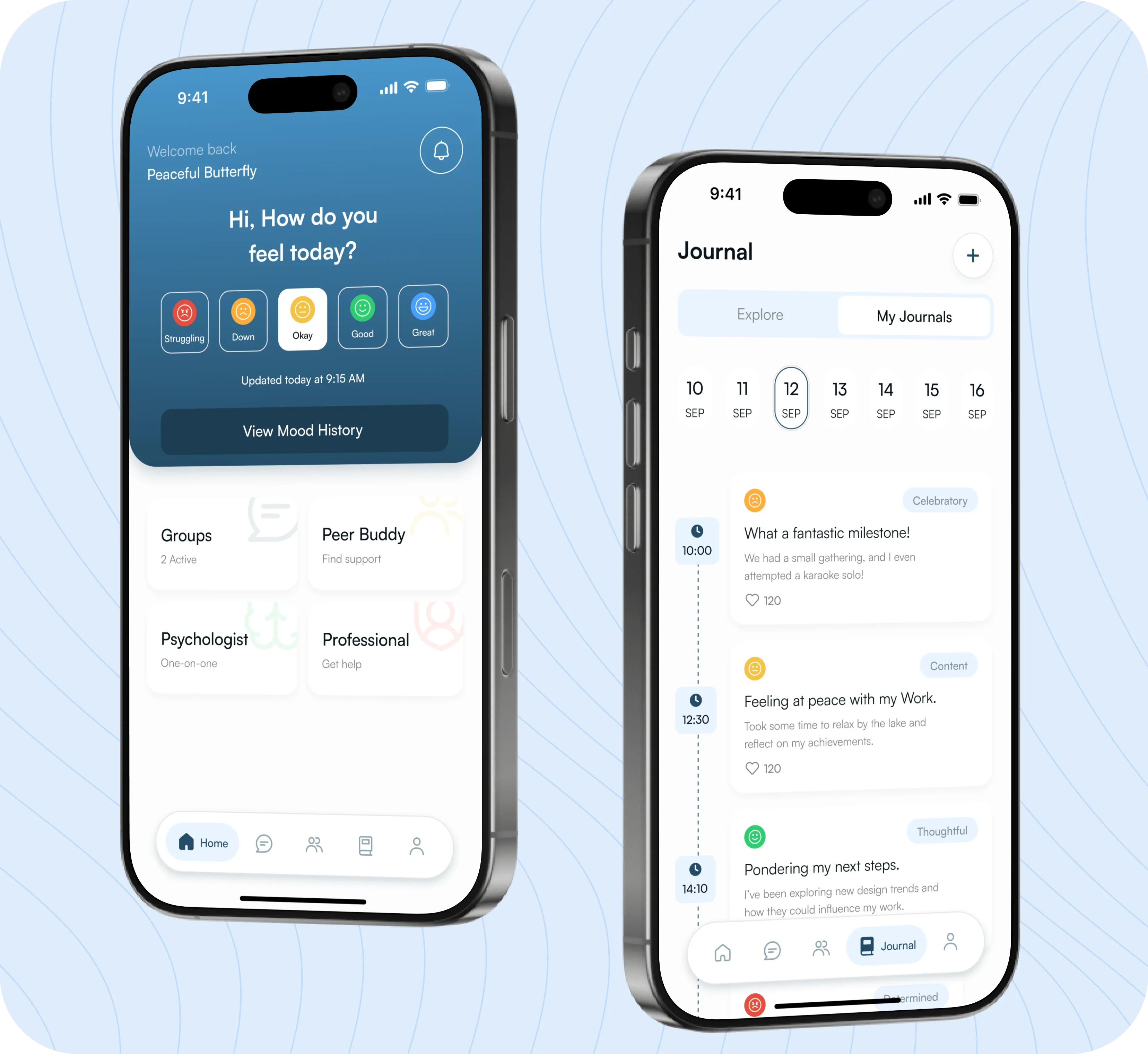
7 Factors That Determine Your App's Cost
These seven factors have the biggest impact on your mobile app development budget:
Number of Screens & Features
A 5-screen MVP costs 70% less than a 30-screen full-featured app. Every additional screen adds design, development, and testing effort.
Framework Choice (Flutter vs Native)
Cross-platform (Flutter/React Native) costs 40-60% less than building separate native iOS and Android apps. One codebase, one team, one timeline.
Backend Complexity
A simple Firebase backend costs less than a custom Node.js API. Apps with real-time features, complex business logic, or third-party integrations cost more.
UI/UX Design Requirements
Custom-designed apps cost more than template-based apps, but convert significantly better and create stronger brand impressions.
Third-Party Integrations
Payment processing (Stripe), maps (Google Maps), analytics, push notifications, and social auth each add development time and cost.
Admin Panel & Backend Dashboard
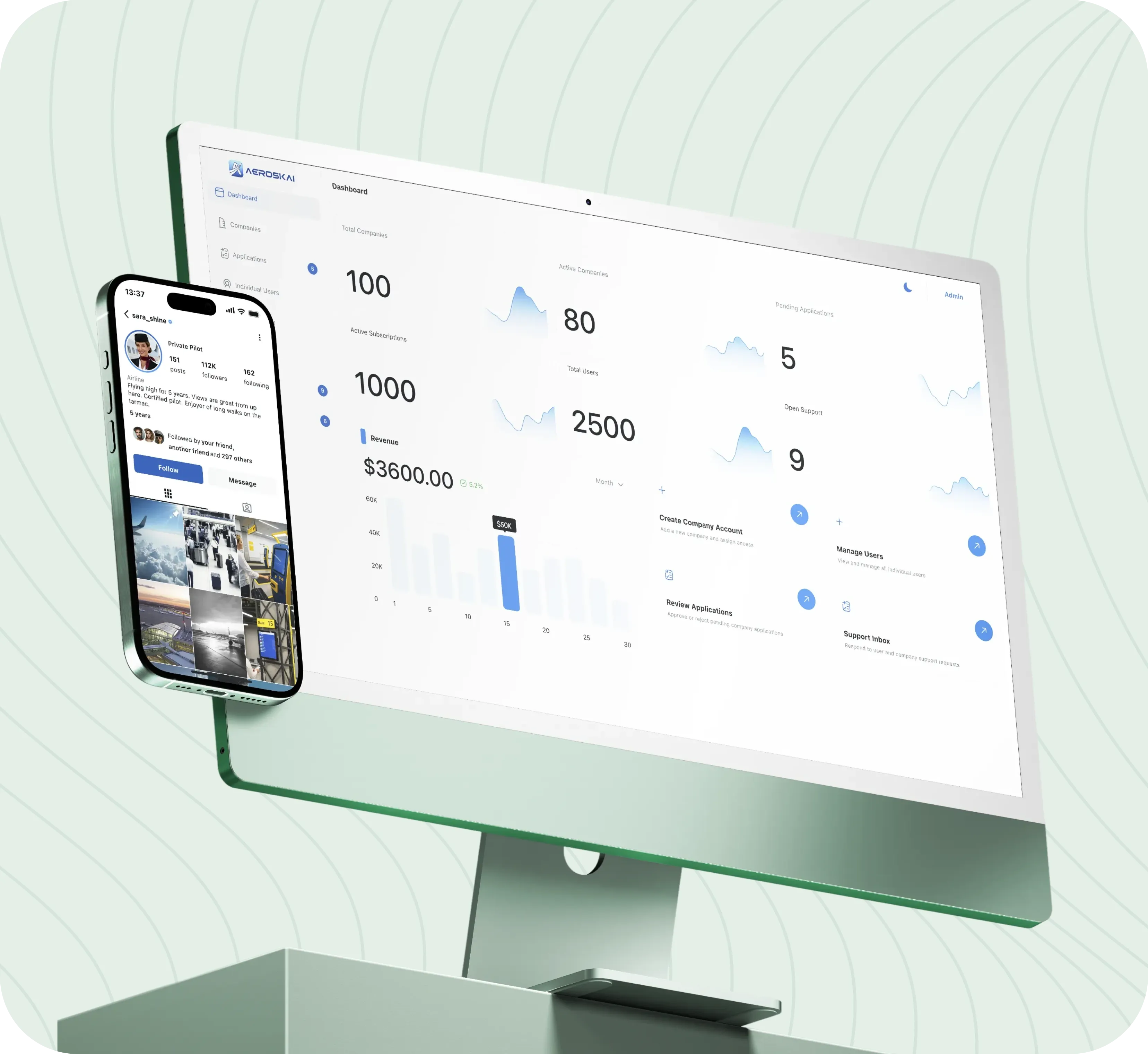
Most apps need a web-based admin panel for managing users, content, and analytics. This is often overlooked in initial quotes but adds $2,000–$5,000.
Who Builds It (Freelancer vs Agency)
Freelancers are cheaper upfront but carry higher risk and no support guarantee. A studio like Abould costs more upfront but delivers production-quality code with warranty.
What's Included in Professional App Development
A complete mobile app development engagement should include all of these:
UI/UX Design (All Screens)
Wireframes, high-fidelity Figma designs, interactive prototype, and responsive design for both iOS and Android screen sizes.
Frontend Mobile App (Flutter/React Native)
Production-quality cross-platform mobile app with smooth animations, native feel, and optimized performance.
Backend API & Database
RESTful API with authentication, data models, business logic, file storage, and database management.
Push Notifications
Firebase Cloud Messaging (FCM) for Android and Apple Push Notification Service (APNs) for iOS.
App Store Deployment
Complete submission to Apple App Store and Google Play Store including screenshots, descriptions, privacy policy, and app review compliance.
Admin Dashboard (Web)
Web-based admin panel for managing users, content, orders, notifications, and viewing analytics.
Beware of quotes that only include 'app development' without design, backend, or deployment. These hidden items can double your total cost.
Framework Cost Comparison: Flutter vs React Native vs Native
How development costs compare across different mobile development approaches:
| Factor | Flutter (Recommended) | React Native | Native iOS + Android |
|---|---|---|---|
| Development Cost | $5K–$30K (single codebase) | $5K–$30K (single codebase) | $10K–$60K (two separate apps) |
| Development Time | 4–12 weeks | 4–12 weeks | 8–20 weeks (parallel builds) |
| Maintenance Cost | Low (one codebase to maintain) | Low (one codebase to maintain) | High (two codebases, two teams) |
| Performance | 95-98% of native | 90-95% of native | 100% native |
| Best For | Most startups and businesses | JS-heavy teams, npm ecosystem | Hardware-intensive apps (AR/VR, games) |
For 95% of mobile app projects, Flutter is the most cost-effective choice. Native development is only justified for hardware-intensive apps (AR, camera-heavy, gaming) or when platform-specific APIs are critical.
Mobile App Cost by Type & Complexity (2026)
Realistic pricing for professionally built mobile apps in 2026:
| Project Type | Typical Range | Timeline | Key Inclusions |
|---|---|---|---|
| Simple MVP App (3-5 screens) | $5,000 – $8,000 | 4–6 weeks | Auth, core feature, basic UI, push notifications, App Store deployment |
| Standard Consumer App (10-15 screens) | $8,000 – $18,000 | 6–10 weeks | Auth, payments, real-time features, profiles, admin panel |
| E-Commerce / Marketplace App | $15,000 – $30,000 | 8–14 weeks | Product catalog, cart, payments, seller dashboard, order management |
| Health / Wellness App | $10,000 – $25,000 | 8–12 weeks | Tracking, data viz, reminders, health API integrations, HIPAA awareness |
| Enterprise / Field Service App | $18,000 – $40,000 | 10–16 weeks | Offline sync, multi-role access, reporting, integrations, biometric auth |
All prices include UI/UX design, development, backend API, admin panel, and App Store deployment. Abould uses fixed-milestone pricing.
Hidden Costs Most App Budgets Miss
These costs are frequently left out of initial quotes but will hit your budget:
Apple Developer Account ($99/year) and Google Play Console ($25 one-time) — required for app store publishing.
Backend hosting and infrastructure ($20-$200/month depending on scale).
Push notification services (Firebase is free up to a point, then $0.01+ per notification).
SSL certificates, domain names, and email services for transactional emails.
App Store screenshot design, promotional graphics, and ASO (App Store Optimization).
Ongoing maintenance: bug fixes, OS updates (iOS/Android), dependency updates, and security patches.
Analytics tools (Mixpanel, Amplitude, PostHog) — free tiers exist but premium plans cost $100+/month.
Legal costs: privacy policy, terms of service, GDPR compliance, and data processing agreements.
Why Abould for Mobile App Development
Abould has shipped 30+ production mobile apps to App Store and Google Play:
Flutter-First Mobile Development
80% of our mobile projects use Flutter for its superior performance, UI consistency, and single-codebase efficiency. We've mastered the framework through real production deployments.
App + Backend + Admin — One Team
We build the mobile app, backend API, admin dashboard, and handle App Store deployment. One team, one contract, zero vendor coordination headaches.
Fixed-Price Including Everything
Our quotes include design, development, backend, admin panel, and deployment. No hidden line items, no 'scope change' surprises.
Post-Launch App Store Support
We help with app store optimization (ASO), handle Apple/Google review feedback, and support version updates for the first 30 days post-launch.
Mobile App Cost FAQs
Answers to the most common questions about mobile app development costs:
Q1Can I build a good app for under $5,000?
A simple MVP app (3-5 screens, basic features) can be built for $5,000 with Abould. For anything more complex, expect $8,000+. Be cautious of agencies quoting $1,000-$2,000 — they're typically delivering template-based, unmaintainable code.
Q2How much does app maintenance cost per month?
Basic maintenance (bug fixes, OS compatibility, security updates) costs $500-$1,000/month. Feature development and scaling are additional. Many startups handle maintenance in-house after the initial build.
Q3Should I build a web app or mobile app first?
Almost always start with a web app. It's faster to build, cheaper to iterate on, and doesn't require app store approval for updates. Build a mobile app once you've validated product-market fit on web.
Q4How long does App Store review take?
Apple App Store review typically takes 1-3 days for initial submission and 1-2 days for updates. Google Play Store review takes 1-7 days. Factor this into your launch timeline.
Q5Do you handle app store screenshots and metadata?
Yes. Abould prepares all App Store and Google Play assets: screenshots, app icons, feature graphics, descriptions, keywords, and privacy policy. Everything needed for a professional app store listing.
Q6What happens if Apple or Google rejects my app?
We handle rejection feedback and make the necessary changes to comply with app store guidelines. Our experience with 30+ app submissions means we know the common rejection reasons and avoid them proactively.
Have a project idea or need a fixed-price MVP estimate?
Schedule a 20-minute product strategy call with our senior architects. We’ll review your technical scope, suggest optimized architecture, and provide a clear milestone quote.