

You have a brilliant SaaS idea. Maybe it's an AI-powered analytics dashboard, a vertical CRM for a niche industry, or a collaboration tool that solves a pain point you've experienced firsthand. The question isn't whether the idea is good — it's how to get from idea to paying customers as fast as possible without burning your entire runway.
In 2026, the SaaS landscape is more competitive than ever — but the tools available to founders are also more powerful. With modern frameworks like React, Next.js, Node.js, and PostgreSQL, combined with cloud-native infrastructure on AWS, it's entirely possible to launch a production-ready SaaS MVP in 4 to 8 weeks. This guide shows you exactly how.
Why Most SaaS MVPs Fail (And How to Avoid It)
According to CB Insights, 72% of startups fail because they build products nobody wants. The 'minimum' in MVP doesn't mean building something broken — it means building the smallest possible product that solves a real problem well enough for people to pay for it.
The biggest mistake founders make is spending 6-12 months building a feature-rich product before getting a single user. By the time they launch, the market has shifted, the runway is gone, and the product-market fit was never validated.
The winning approach in 2026 is rapid validation → focused MVP → iterative scaling. Build the core workflow first. Get 10 paying users. Then expand based on real feedback, not assumptions.
7 Steps to Build Your SaaS MVP Successfully
Follow this proven step-by-step process to go from idea to a launched SaaS product:
Validate the Problem Before Writing Code
Talk to 20+ potential users. Confirm they have the pain point you're solving and would pay for a solution. Use landing pages, waitlists, and surveys to validate demand before investing in development.
Define Your Core Workflow (One Thing, Done Well)
Identify the single most important user workflow your SaaS solves. Strip away every feature that isn't directly supporting this core workflow. Your MVP should do one thing exceptionally well.
Choose a Scalable, Modern Tech Stack
Use battle-tested technologies: React or Next.js frontend, Node.js backend, PostgreSQL database, and AWS infrastructure. Avoid exotic or unproven frameworks that will create hiring and maintenance problems later.
Design the UX Before Development Begins
Create wireframes and interactive Figma prototypes of every screen. Test the flow with 5-10 potential users. Fix UX issues in design (cheap) rather than in code (expensive).
Build in 2-Week Sprints with Weekly Demos
Break development into 2-week sprints. Each sprint should deliver working, testable features deployed to a staging environment. Weekly demos ensure you're always aligned with the team.
Integrate Auth and Billing From Day One
Authentication (email + OAuth) and subscription billing (Stripe) must be in your MVP from the start. These are foundational — retrofitting them later is expensive and error-prone.
Launch to 10 Users, Not 10,000
Your MVP launch should target a small, curated group of early adopters. Get their feedback, iterate, and only then pursue broader distribution. Product-market fit is found in conversations, not in traffic.
Essential MVP Features vs Nice-to-Have
Every SaaS MVP should include these essential features. Everything else is a 'nice-to-have' for v2:
User Authentication & Onboarding
Email/password signup, OAuth (Google/GitHub), email verification, and a smooth first-run onboarding experience that guides users to their 'aha moment'.
Core Workflow / Value Delivery
The primary feature that delivers value to users — this is the ONE thing your SaaS does. It must work flawlessly and be immediately understandable.
Subscription Billing (Stripe)
Monthly and annual subscription plans, Stripe Checkout, customer portal for self-service billing management, and automated invoice generation.
User Dashboard & Settings
A clean dashboard showing key metrics, activity feed, and account settings. Users should feel oriented and in control from the first login.
Admin Panel
Internal admin dashboard for managing users, viewing analytics, handling support tickets, and monitoring system health.
Email Notifications & Transactional Emails
Welcome emails, password resets, billing confirmations, and key action notifications using services like Resend or SendGrid.
Nice-to-haves for v2: Team collaboration, API access, advanced analytics, mobile app, integrations marketplace, and AI-powered features.
Build In-House vs Hire an MVP Development Agency
Should you hire full-time developers or partner with a specialized SaaS development agency? Here's the realistic comparison:
| Factor | Solo/Co-Founder Building | Full-Time Hires | Abould SaaS Studio |
|---|---|---|---|
| Time to MVP Launch | 3–6 months (if technical) | 4–8 months (hiring + building) | 4–8 weeks (dedicated squad) |
| Total Investment | $0 (time cost) or $3K–$10K (freelancers) | $120K–$250K+ (first year salaries) | $5K–$15K fixed milestone pricing |
| Design Quality | Usually poor (developer-designed UI) | Requires dedicated UI/UX hire | Professional Figma design included |
| Scalability | Often needs complete rewrite at scale | Good if senior engineers hired | Enterprise-grade from day one |
| Post-Launch Support | On the founder's shoulders | Ongoing salary commitment | 30-day warranty + optional retainer |
For pre-seed and seed-stage startups, partnering with an experienced SaaS studio like Abould delivers the fastest path to market with the lowest financial risk.
SaaS MVP Cost & Timeline Breakdown (2026)
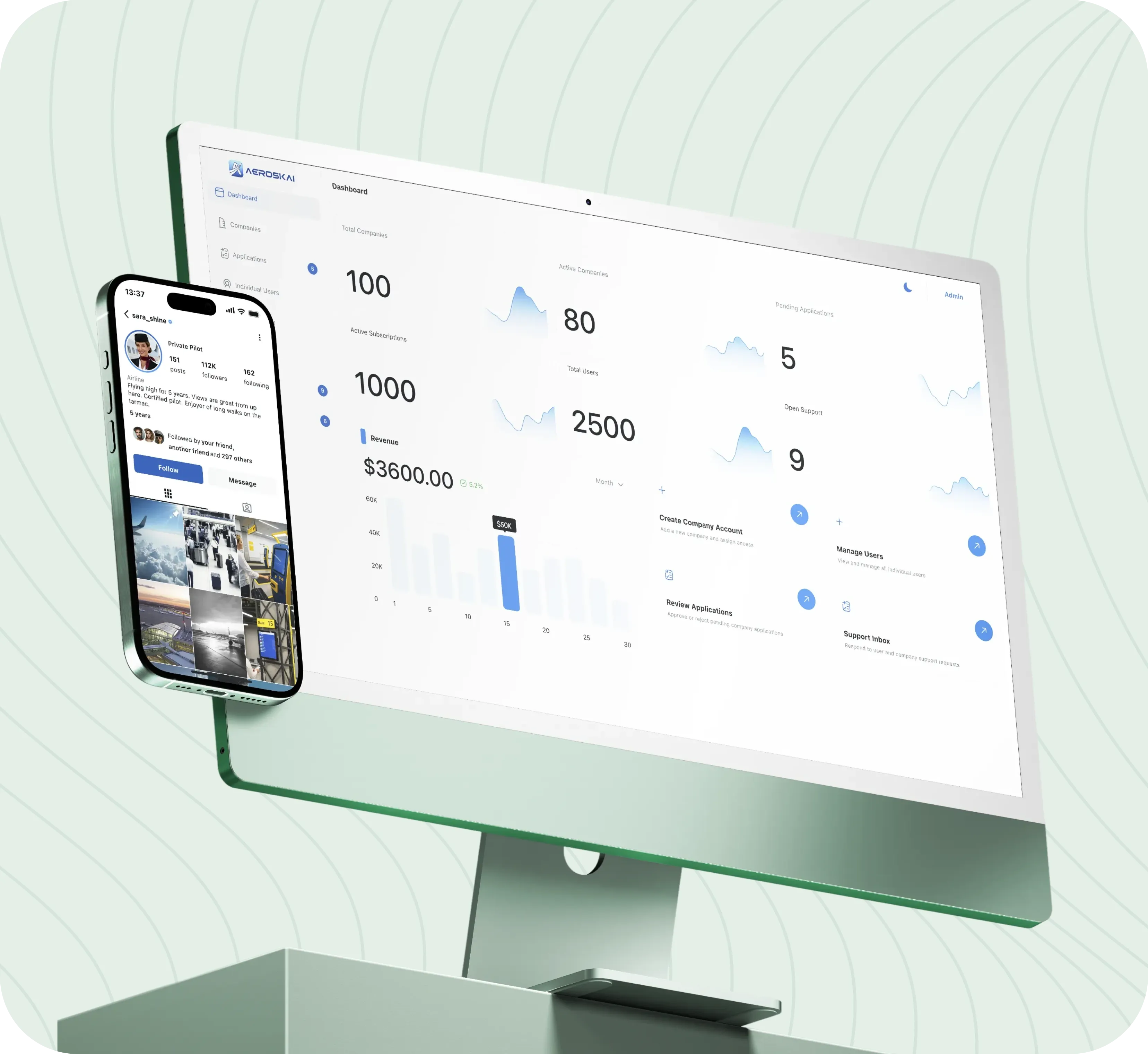
Here are realistic investment ranges for different types of SaaS MVPs in 2026:
| Project Type | Typical Range | Timeline | Key Inclusions |
|---|---|---|---|
| Simple SaaS MVP (Auth + CRUD + Dashboard) | $5,000 – $8,000 | 4–5 weeks | User auth, core CRUD workflow, basic dashboard, Stripe billing |
| Standard SaaS MVP (Multi-Feature) | $8,000 – $15,000 | 5–8 weeks | Auth, dashboard, billing, admin panel, email notifications, API |
| Complex SaaS Platform (Multi-Tenant) | $15,000 – $30,000 | 8–14 weeks | Multi-tenant, RBAC, analytics, integrations, real-time features |
| AI-Powered SaaS MVP | $12,000 – $25,000 | 6–10 weeks | LLM integration, vector search, AI workflow, usage-based billing |
| SaaS + Mobile App Combo | $15,000 – $35,000 | 8–12 weeks | Web SaaS + Flutter mobile app, push notifications, shared API |
All prices reflect Abould's fixed-milestone pricing model. You pay per verified deliverable — never for hours burned.
8 Common MVP Mistakes That Kill Startups
Avoid these fatal mistakes when building your SaaS MVP:
Building for 12 months before showing the product to a single user (the 'stealth mode' trap).
Adding 50+ features when only 3-5 actually matter to your first 10 users.
Choosing an exotic tech stack that makes hiring impossible when you need to scale the team.
Skipping the design phase and going straight to code — resulting in a confusing, unusable product.
Not integrating billing from day one — free users don't validate willingness to pay.
Hiring the cheapest freelancer on Fiverr and getting unmaintainable spaghetti code.
Launching without analytics — you can't improve what you can't measure.
Building a mobile app first instead of a web app (web is faster to iterate and cheaper to build).
Why Founders Choose Abould to Build Their SaaS MVP
Abould specializes exclusively in SaaS and digital product development. Here's what makes us different:
4-8 Week MVP Delivery Guarantee
We've shipped 50+ production SaaS products. Our sprint methodology is optimized for speed without sacrificing code quality or UX.
Fixed-Price, No Surprises
Transparent milestone pricing. You know the exact cost before writing a single line of code. No hourly billing, no scope creep surprises.
Full-Stack Senior Team
Every project gets a dedicated PM, UI/UX designer, frontend engineer, backend architect, and QA specialist — all senior-level.
You Own Everything
100% IP ownership from day one. Full GitHub repo access, Figma source files, database schemas, and deployment configurations.
SaaS MVP Development FAQs
Common questions founders ask about building a SaaS MVP:
Q1What is the minimum budget needed to build a SaaS MVP?
A professionally built SaaS MVP starts at around $5,000 with Abould. This covers user authentication, core workflow, subscription billing (Stripe), and a basic admin panel. You can launch with this and iterate based on user feedback.
Q2Should I build a mobile app or web app first for my SaaS?
Almost always start with a web app. Web apps are faster to develop, easier to iterate on, and don't require App Store approvals. Once you have product-market fit on web, launch a mobile app for retention and engagement.
Q3How do I know if my SaaS idea is worth building?
Validate before building: talk to 20+ potential users, create a landing page with a waitlist, and try to get 5+ people to commit to paying before development starts. If you can't get 5 commitments, the idea needs refinement.
Q4What tech stack should I use for a SaaS in 2026?
We recommend React/Next.js (frontend), Node.js (backend), PostgreSQL (database), Redis (caching), and AWS (infrastructure). This stack is battle-tested, has excellent community support, and scales to millions of users.
Q5Can I launch my MVP and then switch agencies for scaling?
Yes. Because we use standard, open-source technologies and deliver clean, documented code, any competent development team can take over the project. You're never locked into Abould — but most clients stay because of our quality.
Q6How many features should my SaaS MVP have?
As few as possible. Ideally 3-5 core features that deliver your primary value proposition. Every additional feature adds development time, testing complexity, and potential for bugs. Focus on doing one thing brilliantly.
Have a project idea or need a fixed-price MVP estimate?
Schedule a 20-minute product strategy call with our senior architects. We’ll review your technical scope, suggest optimized architecture, and provide a clear milestone quote.