


The digital landscape has dramatically evolved in 2026. Whether you are an early-stage startup building your first SaaS MVP (Minimum Viable Product) or an established enterprise modernizing internal operations, the most critical question is always: How much will this actually cost, and how fast can we launch?
The market is filled with confusing quotes — some agencies quote $5,000 while others quote $150,000 for what appears to be the same scope. In this comprehensive guide, we break down exact cost factors, realistic price ranges, development timelines, agency comparison models, and hidden red flags to help you make informed decisions with zero budget surprises.
Software Development in 2026: Reality Check
Building a software product today is no longer just about writing code. With AI-assisted engineering tools and modern modular cloud architecture, the barrier to writing code has decreased, but the requirement for flawless UX, enterprise-grade security, lightning performance, and business logic reliability is higher than ever.
A low-cost template or an inexperienced freelancer might build a visually passable demo, but it often collapses under concurrency, lacks database indexing, or suffers from severe security vulnerabilities. On the other hand, traditional massive agencies charge bloated retainer fees for bureaucratic project managers with zero technical depth.
The winning strategy in 2026 is partnering with an agile, high-velocity digital product studio that combines senior engineering talent, modern UI/UX design, and transparent fixed-price milestone delivery.
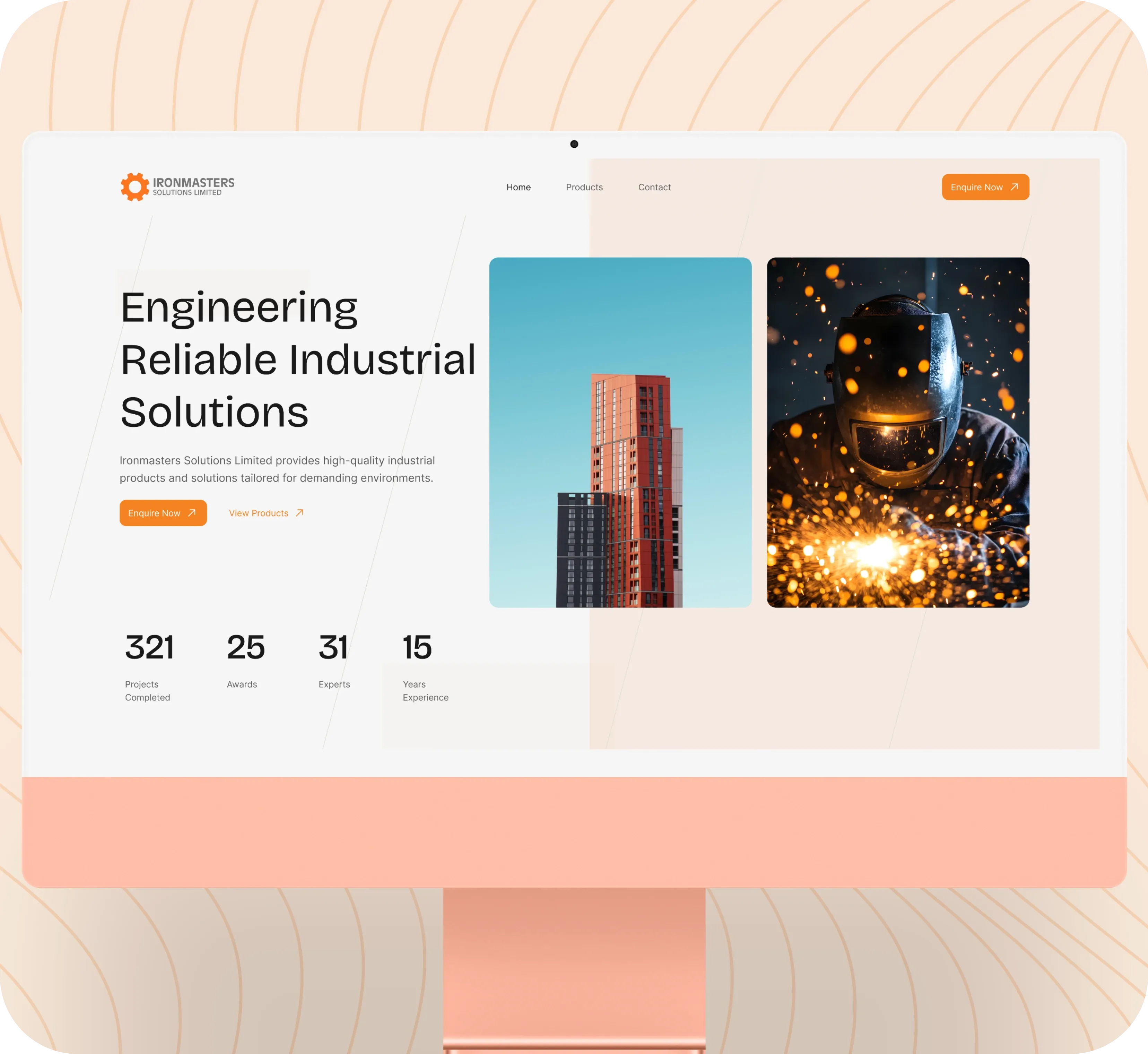
7 Key Criteria to Evaluate Before Investing in Development
Before committing your budget to any development partner or agency, ensure you thoroughly check these 7 essential pillars:
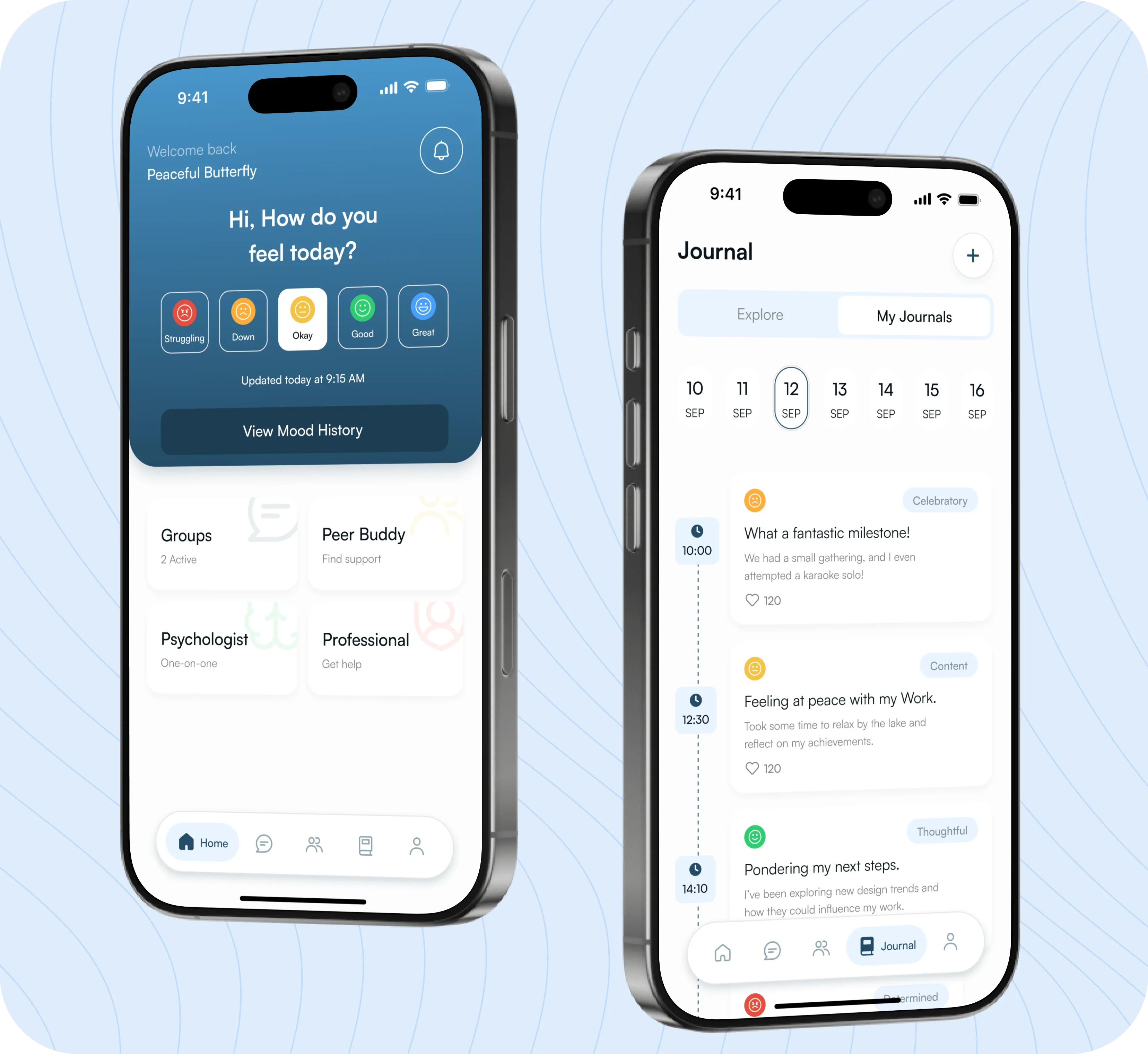
Live Production Portfolio — Not Just Figma Screenshots
Anyone can share pretty Figma mockups or Dribbble shots. Demand live, clickable URLs of deployed web apps and active app store links. Test their responsiveness, speed, and real-world performance yourself.
Direct Access to Senior Engineers & Architects
Ensure your project is built by experienced senior developers, not outsourced to junior third-party subcontractors. You should have direct communication with the actual architects engineering your product.
Clear Scope Specification & Milestone Pricing
A professional studio will never give you a vague verbal quote. Insist on a detailed Scope of Work (SOW) with phased milestone deliverables and fixed or capped cost guarantees.
100% Unconditional IP & Code Ownership
Your contract must explicitly state that upon milestone payments, 100% of source code, repository access, databases, design tokens, and intellectual property belong exclusively to you.
Modern, Maintainable Tech Stack Standards
Ensure the agency uses modern, industry-standard frameworks (such as React, Next.js, Astro, Node.js, Flutter, TypeScript, PostgreSQL) rather than obscure, legacy, or proprietary systems that are impossible to maintain.
Comprehensive QA & Automated Testing
Quality assurance cannot be an afterthought. The development process must include automated unit tests, cross-browser compatibility testing, and rigorous edge-case validation before release.
Post-Launch Warranty & Scalability Support
What happens after launch day? Verify that your agreement includes post-launch bug warranty, performance monitoring, server scaling configuration, and dedicated ongoing maintenance options.
What Core Services & Deliverables Should You Expect?
A full-lifecycle digital product agency provides end-to-end capabilities across the entire product lifecycle:
UI/UX Product Design & Prototyping
Interactive Figma design systems, wireframing, clickable prototypes, and conversion-optimized user journeys.
Full-Stack Web Application Engineering
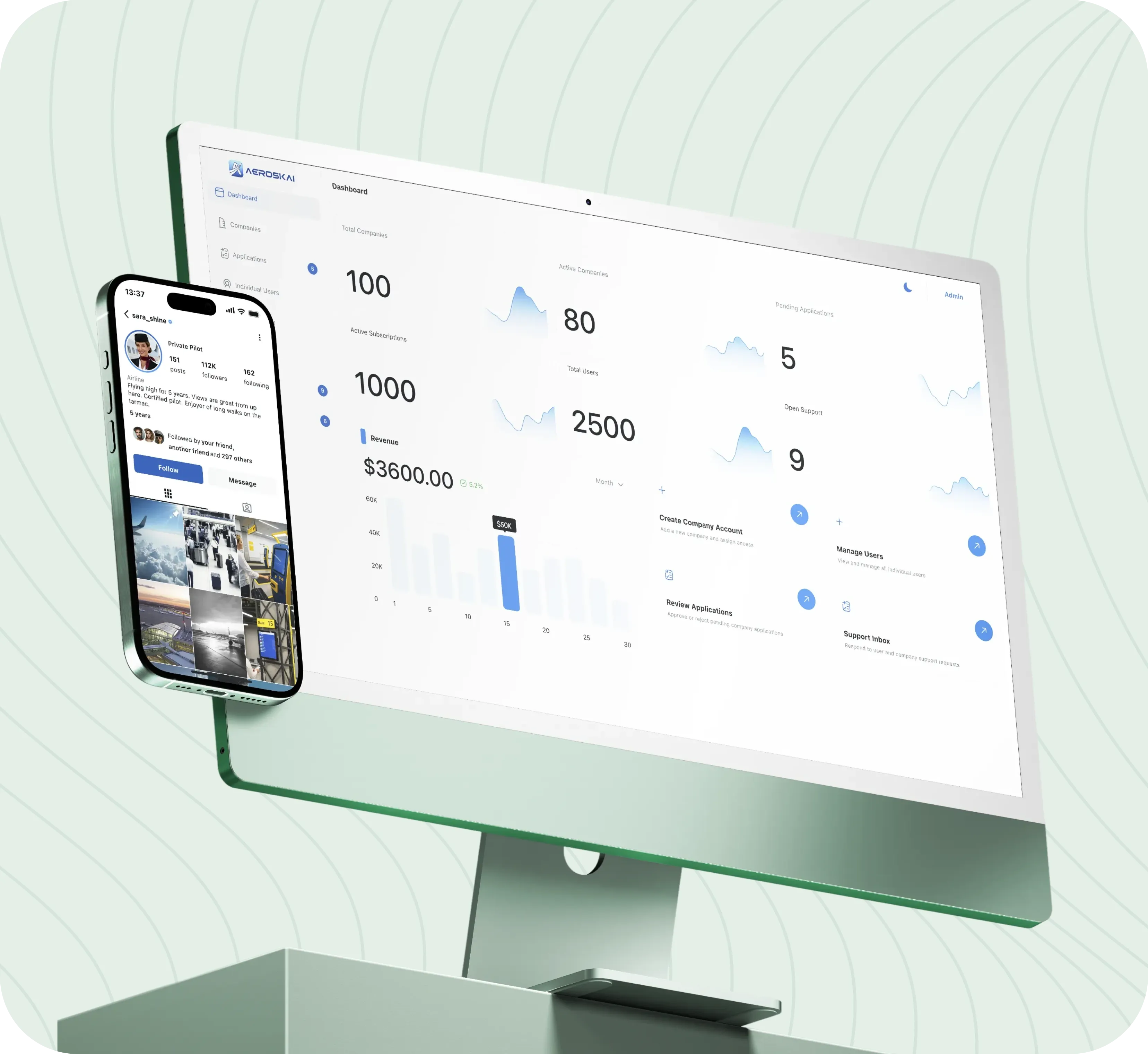
High-performance React/Node web applications, custom business portals, and cloud-native scalable backends.
SaaS Platform & Multi-Tenant MVP
Multi-tenant database design, Stripe/PayPal subscription billing, role-based access control, and user auth.
Cross-Platform Mobile Apps (iOS & Android)
High-speed native and Flutter mobile applications with push notifications, offline storage, and app store deployment.
Custom CRM & Internal Business Operations
Tailored operational dashboards, workflow automation, inventory management, and automated reporting systems.
API Architecture & Third-Party Integrations
RESTful & GraphQL API design, webhook pipelines, AI LLM integrations, and payment gateway automation.
Note: Beware of agencies that only offer static 'brochure websites' disguised as custom software. Custom software requires rigorous data architecture, security compliance, and backend logic.
Freelancer vs In-House Team vs Dedicated Product Studio (Abould)
Founders often debate whether to hire individual freelancers, recruit full-time in-house developers, or partner with a specialized product studio. Here is the realistic breakdown:
| Factor | Freelancers / Marketplaces | Full In-House Team | Abould Dedicated Studio |
|---|---|---|---|
| Time to Kickoff | 1–3 weeks (inconsistent vetting) | 2–3 months (hiring & onboarding) | 24–48 hours (ready full squad) |
| Average Cost | $30–$80/hr (frequent scope creep) | $180k–$350k+/yr (salary, benefits, taxes) | Transparent Fixed Milestones ($5k–$25k avg) |
| Full Skill Coverage | Fragmented (Need separate designer & backend dev) | Requires 3-5 separate full-time hires | Complete Squad: PM, UI/UX, Frontend, Backend, QA |
| Accountability & Delivery | High ghosting risk & variable quality | High management overhead on founder | Guaranteed SOW milestones & weekly staging demos |
| Code Quality & Scaling | Often unmaintainable 'spaghetti' code | Depends on seniority of first hires | Enterprise-grade architecture with 100% test coverage |
Bottom line: Partnering with a dedicated product studio like Abould delivers enterprise-quality execution at 40–60% lower total cost of ownership compared to assembling an expensive in-house team from scratch.
Realistic Cost Expectations & Development Timelines (2026 Guide)
While exact investment depends on feature complexity and external API integrations, here are realistic 2026 market benchmarks for professionally engineered digital products:
| Project Type | Typical Range | Timeline | Key Inclusions |
|---|---|---|---|
| Interactive SaaS MVP (Core Features) | $5,000 – $15,000 | 4–8 weeks | Auth, Multi-tenancy, Stripe billing, Core workflow, Admin portal, Analytics |
| Full-Stack Custom Web Platform | $8,000 – $25,000 | 6–12 weeks | Custom UX/UI, Role management, Complex business logic, Database optimization, APIs |
| Cross-Platform Mobile App (iOS & Android) | $7,000 – $20,000 | 6–10 weeks | Flutter/React Native, Offline caching, Push alerts, In-app purchases, App Store deploy |
| Custom CRM / Enterprise ERP Portal | $12,000 – $35,000 | 8–16 weeks | Automated workflows, Role permissions, High-volume data reporting, Integrations |
| High-Performance Marketing / Agency Website | $2,500 – $6,000 | 2–4 weeks | Astro/Next.js, Custom 3D/Canvas visuals, Sub-second speeds, 100/100 SEO score |
All Abould projects are structured with milestone payments tied to tangible, working deliverables. You only pay when milestones are completed and verified on staging.
10 Critical Red Flags to Avoid When Hiring Developers
Watch out for these common warning signs when vetting agencies and development vendors:
They promise an entire complex SaaS product in 1 week for $500 (guaranteed broken code).
They provide quotes instantly without reviewing your user flows, database requirements, or technical spec.
Refusal to provide a formal written Scope of Work (SOW) with defined milestone deliverables.
They cannot show live URLs or active client references for previous work.
Contract does not explicitly grant you 100% intellectual property (IP) and code ownership.
They insist on 100% upfront payment before any development work begins.
You are only allowed to communicate through non-technical sales agents rather than engineers.
No mention of automated testing, staging environments, or post-launch bug warranties.
Their own agency website is slow, outdated, or poorly designed (always inspect their own product).
They recommend outdated, proprietary CMS platforms rather than modern scalable frameworks.
Why Founders & Enterprises Choose Abould
At Abould, we bridge the gap between world-class Silicon Valley aesthetics and robust engineering performance. Here is how we do things differently:
Battle-Tested Full-Cycle Squad
You get a cohesive team of UI/UX designers, frontend engineers, backend architects, and QA specialists dedicated to your vision.
Transparent Fixed-Price Milestones
Zero hidden fees or runaway hourly meters. You know the exact cost and timeline before writing a single line of code.
Lightning Performance & Sub-Second Speeds
Every product we build is optimized for Core Web Vitals, sub-second TTFB, and seamless 60fps animations.
Direct Slack / Discord Communication
Direct real-time collaboration with the engineers and product designers actively building your software.
Frequently Asked Questions About Software & MVP Costs
Got questions before starting your project? Here are straight answers to the most common questions founders ask us:
Q1How long does it typically take to build a SaaS MVP with Abould?
Most SaaS MVPs are designed, developed, and deployed to production in 4 to 8 weeks. We work in rapid 2-week sprints with weekly live staging demonstrations so you can test features in real-time.
Q2Do I own 100% of the code and intellectual property?
Yes, absolutely. From day one, you own 100% of all source code, Figma design files, database schemas, and intellectual property. We hand over full GitHub repository access with clean documentation.
Q3What tech stack do you recommend for high-performance web and mobile apps?
We specialize in modern, battle-tested technologies including React, Next.js, Astro, Node.js, TypeScript, PostgreSQL, Tailwind CSS, and Flutter for cross-platform mobile apps. This ensures high performance, low hosting costs, and easy scalability.
Q4What happens if we need changes or extra features during development?
We use an agile milestone methodology. If you want to add or modify features during development, we scope the addition transparently and adjust the roadmap without derailing your main launch timeline.
Q5Do you provide post-launch maintenance and support?
Yes. Every project includes a 30-day post-launch bug warranty. We also offer flexible ongoing maintenance packages covering server monitoring, security updates, feature enhancements, and scaling support.
Q6How do payments work?
We split projects into milestone-based payments (e.g. 25% kickoff, 25% UI/UX & Architecture approval, 25% core functional build, 25% final staging verification & launch). You never pay for unverified work.
Have a project idea or need a fixed-price MVP estimate?
Schedule a 20-minute product strategy call with our senior architects. We’ll review your technical scope, suggest optimized architecture, and provide a clear milestone quote.